
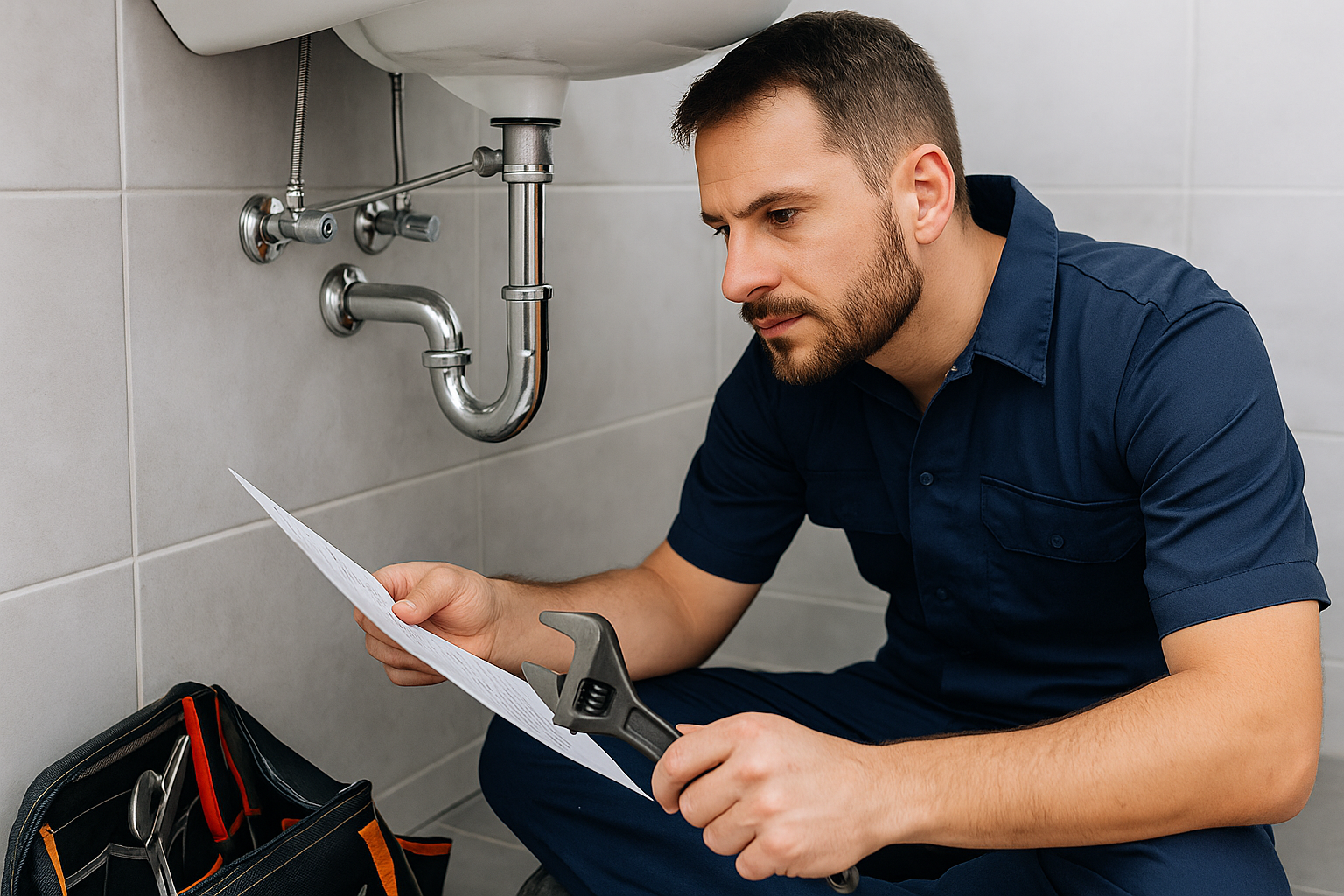
Whether you’re installing boilers, repairing leaks, fitting bathrooms, doing gas work, or handling commercial maintenance, most plumbers and heating engineers are paid as self-employed subcontractors. Your work is hands-on, mobile, and often job-to-job which means HMRC treats you as self-employed rather than PAYE.
That means one essential thing:
You need a Unique Taxpayer Reference (UTR) to work correctly, get paid properly, and stay compliant.
A UTR isn’t just a number, it’s what allows you to file your Self Assessment, declare your plumbing income, join the Construction Industry Scheme (CIS) if you work through contractors, and claim back your expenses.
How plumbing & heating work fits HMRC’s Self-Employment rules
Plumbers rarely have one fixed workplace. Most move between:
- domestic jobs
- landlord maintenance
- shopfitting and refurbishment
- new builds
- commercial installations
- emergency callouts
- agency-supplied shift work
Because of this, HMRC considers most plumbers and heating engineers self-employed, even if the work is regular or full-time in practice. To operate officially, you must register as self-employed with HMRC — this is the process that generates your UTR.
Once registered, HMRC sends your UTR by post.
When CIS applies to Plumbers & Heating Engineers
Even though “plumbing” isn’t always mentioned directly in construction lists, it almost always falls under the Construction Industry Scheme (CIS).
CIS applies when you work:
- through contractors
- on site-based jobs
- as part of new build installation
- on refurbishments or repairs
- on commercial property installations
- through plumbing/heating subcontractor firms
If CIS applies, contractors deduct tax before paying you:
- 20% if you’re verified correctly
- 30% if your UTR isn’t active or you haven’t registered under CIS
Even domestic‐only plumbers sometimes fall into CIS if they subcontract through larger firms.
Tools, Materials & Expenses: The Plumbing trade has high costs
Plumbers and heating engineers have some of the highest ongoing expenses of any trade. Common deductible costs include:
- tools, replacements, repairs
- boilers, parts, fittings, valves, pipework
- gas testing equipment
- consumables (PTFE tape, clips, joints, seals)
- PPE and workwear
- mileage for site visits
- van insurance and fuel
- public liability insurance
- gas qualification renewals
- waste disposal fees
- parking and congestion charges (especially in London)
Because of these expenses, most plumbers significantly overpay tax through CIS deductions. This is sorted during your CIS tax return. Many plumbers claim refunds between £2,000–£4,000 depending on how much they worked and travelled.
How Self Assessment works once you’re registered
Once your UTR is active, HMRC expects you to submit a Self Assessment tax return every year.
Your plumbing return typically includes:
- all CIS income
- all CIS deductions
- expense claims
- gas or pipefitting qualifications
- tool, material, and mileage records
- any PAYE or side income
The more accurately you keep records, the easier your return becomes and the more tax you can reclaim. Even if you work mainly for one contractor, you still need to file a Self Assessment because CIS is counted as self-employed income.
Common issues Plumbers encounter when registering for a UTR
Plumbers run into certain problems more often than most trades:
- incorrect self-employment start dates
- mixing PAYE and subcontracting income
- thinking the main contractor “takes care of tax”
- forgetting to claim materials and consumables
- not keeping mileage logs
- applying too late and missing HMRC deadlines
- not realising domestic plumbing work can still fall under CIS
- losing CIS statements from agencies
The plumbing trade involves a lot of movement, jobs, and materials making admin trickier than it first appears. Understanding your obligations early prevents penalties and helps you make the most of your allowable expenses.
Why Plumbers & Heating Engineers Benefit From Support
Plumbing work is demanding. You’re lifting cylinders, crawling under floors, replacing pipework, installing boilers, driving constantly, and juggling materials. Because of the pace and physical nature of the trade, most plumbers don’t have time to deal with:
- HMRC forms
- CIS deductions
- expense calculations
- Self Assessment deadlines
- missing statements or mismatched details
Support makes a huge difference especially in your first year of self-employment when everything from UTR registration to CIS setup feels new.
FAQs for Plumbers & Heating Engineers
- Do plumbers always fall under CIS?
Most do, especially if they work through contractors or on site-based jobs. Domestic-only plumbers may be exempt depending on how work is sourced.
- Can I be both PAYE and self-employed as a plumber?
Yes. Many plumbers work PAYE for part of the year and subcontract the rest.
- What if I only do small local jobs?
If you earn more than £1,000 in a tax year, you must register as self-employed and file a Self Assessment.
- What if I’ve lost or misplaced CIS statements?
Contractors must reissue them. They can also be requested digitally.
Ready to register for your UTR?
If you’re planning to work as a self-employed plumber or heating engineer, whether through agencies, contractors, or private work getting your UTR early ensures you can work smoothly, avoid 30% deductions, and stay compliant from day one.