
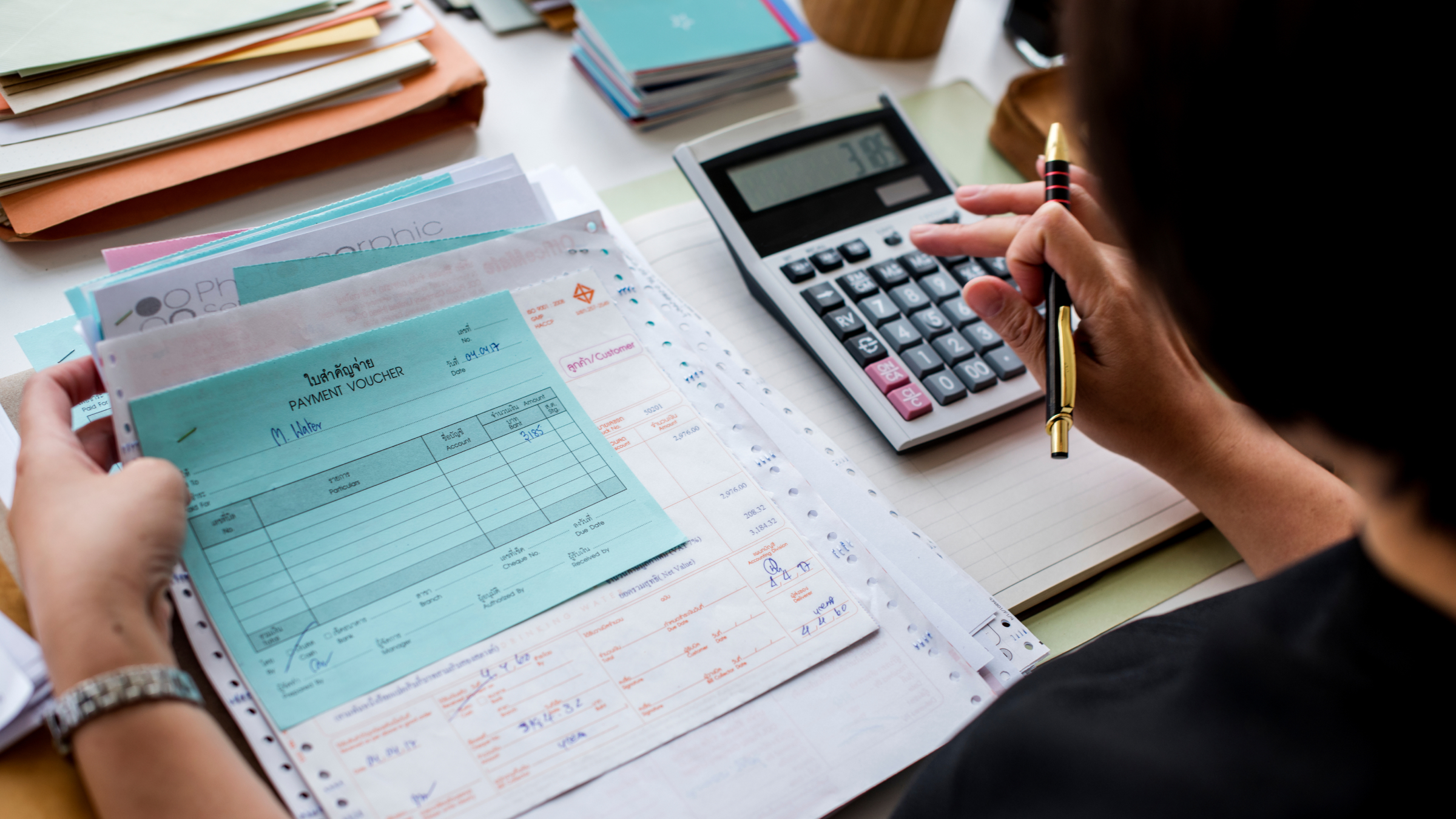
Running a business isn’t just about making sales and chasing growth – it’s also about staying on top of your numbers. That’s where bookkeeping comes in. The importance of bookkeeping for small business owners can’t be overstated: it’s the system that helps you understand cash flow, track expenses, and make confident financial decisions. Without it, even the most promising business can struggle.
At Tax2u’s bookkeeping service, we support sole traders, freelancers, and growing businesses by making sure their records are accurate and HMRC-ready.
Why bookkeeping matters for small businesses
Bookkeeping isn’t just about recording income and expenses – it’s about creating clarity. When your books are up to date, you know exactly where your money is going, what’s owed to you, and what tax you’ll need to set aside. For small businesses, this insight is vital. It helps avoid cash flow surprises and gives you the confidence to reinvest in growth.
Benefits of strong bookkeeping practices
- Stay compliant with HMRC – Late or inaccurate records can mean penalties. Proper bookkeeping ensures deadlines are met and information is correct.
- Save time and stress – Well-kept books mean you’re not scrambling at year-end or before a tax return deadline.
- Spot business opportunities – Clear records highlight which products or services are most profitable.
- Support loan and funding applications – Lenders want to see solid records. Good bookkeeping boosts your credibility.
- Simplify tax returns – For sole traders, self-employed, and limited companies, clean records make completing returns far easier.
Bookkeeping for sole traders
If you’re self-employed or working as a sole trader, bookkeeping is often seen as admin you’d rather avoid. But here’s the thing: it directly affects your take-home pay. Recording expenses properly – travel, tools, or even part of your home office – can reduce your taxable income and increase your savings.
If you’re unsure where to start, our team at Tax2u can handle everything from setting up a simple system to preparing records that integrate directly with your Self Assessment.
Common mistakes to avoid
- Mixing personal and business expenses in the same account
- Not keeping receipts or digital copies for proof
- Leaving bookkeeping until the end of the year
- Ignoring small but deductible expenses that add up
Avoiding these mistakes keeps your records cleaner and helps you make the most of tax reliefs available to small businesses.
Final thoughts
Bookkeeping is more than paperwork – it’s the backbone of a growing business. When done right, it saves time, reduces stress, and gives you the financial insight to make better decisions.
If you’d rather spend time running your business than worrying about receipts and spreadsheets, let us help.
Start today with our Bookkeeping Service and stay confident about your numbers all year round.